How Can You Safely Restore Youthful Skin with Neck Wrinkle Filler Near Cheongdam Station?
Why do neck wrinkles require specialized dermal filler techniques?
The skin on the neck is anatomically unique and exceptionally fragile. Characterized by an extremely thin epidermal and dermal layer—approximately 30% thinner than facial skin—the neck also lacks a robust network of sebaceous glands. This physiological vulnerability makes the neck highly susceptible to dehydration, premature aging, and structural sagging. Furthermore, the constant mechanical movement of the neck, driven by the superficial platysma muscle, accelerates the formation of both static and dynamic horizontal creases. When considering neck wrinkle filler treatments near Cheongdam Station, understanding these anatomical parameters is vital for achieving optimal aesthetic outcomes.
From a pathophysiological standpoint, neck wrinkles are defined as progressive dermal atrophy characterized by the degradation of Type I and Type III collagen fibers and elastic matrices within the extracellular matrix. Unlike thicker facial areas, the neck has minimal subcutaneous fat to camouflage poorly placed implants. Consequently, applying standard facial injection techniques to the cervical region can lead to visible irregularities, highlighting the need for specialized micro-droplet placement of cohesive, low-viscoelasticity hyaluronic acid. Passive conservation, such as consistent photoprotection and topical hydration, is highly reasonable and recommended for early Grade 1 wrinkles, but progressive, deep structural folds typically require targeted clinical intervention.
Treatment timing: Intervention is most effective at Grade 2 or 3 on the Wrinkle Severity Rating Scale, before deep dermal creasing becomes fibrotic and irreversible.
Non-surgical care: Conservative management using topical retinoids, medical-grade moisturizers, and postural adjustments is highly reasonable for superficial, early-stage fine lines.
Treatment selection: Therapeutic decisions must be guided by individual skin thickness, the viscoelastic properties of the selected filler, and the patient’s anatomical tolerance to mechanical shear stress.
How does hyaluronic acid filler compare to alternative neck rejuvenation procedures?
According to multiple observational studies and meta-analyses published in the Journal of Dermatologic Surgery (2021), combining targeted dermal fillers with energy-based devices yields a significantly higher satisfaction rate compared to monotherapy. However, each therapeutic modality possesses distinct biomechanical profiles, advantages, and limitations that must be carefully weighed. For instance, patients seeking treatments in the Cheongdam Station area often choose between direct filler injections, collagen stimulators, and non-invasive energy devices depending on their primary skin concerns.
Hyaluronic acid fillers provide immediate physical volume restoration, which is highly effective for deep, static horizontal lines. The primary limitation of this approach is the risk of the Tyndall effect—a bluish discoloration under the skin—or superficial nodule formation if the material is injected too superficially or in excessive quantities. In contrast, collagen-stimulating injectables offer gradual, long-term tissue regeneration but require several months to show visible results and cannot be easily dissolved if an adverse event occurs. High-intensity focused ultrasound (HIFU) and radiofrequency devices excel at tightening loose skin and tightening the platysmal bands, yet they offer minimal direct filling effect for deep, etched creases.
| Treatment Modality | Primary Indication | Key Advantage | Key Limitation |
|---|---|---|---|
| Hyaluronic Acid Filler | Deep static horizontal neck lines | Immediate physical volume correction | Risk of temporary lumpiness or Tyndall effect |
| Collagen Stimulators | Diffuse dermal thinning & laxity | Natural neocollagenesis over time | Delayed onset of results; non-reversible |
| Micro-focused Ultrasound (HIFU) | Platysmal sagging & skin laxity | Non-invasive SMAS layer tightening | Limited efficacy on deep, etched wrinkles |
According to official guidelines or academic evidence, both quantitative criteria and clinical judgment should be reviewed together.
To optimize safety, clinical guidelines recommend using specialized micro-cannulas rather than sharp needles in high-risk zones of the neck to minimize the risk of accidental intravascular injection. However, outcomes may differ in exceptional cases such as patients with severe post-inflammatory hyperpigmentation tendencies, advanced systemic connective tissue disorders, or extreme skin laxity that requires surgical platysmaplasty rather than minimally invasive interventions.

Who is the ideal candidate for neck wrinkle filler treatments?
To determine if you are a suitable candidate for neck wrinkle filler, clinical practitioners evaluate several physiological parameters. An ideal candidate presents with defined horizontal static creases but retains moderate skin elasticity without excessive, redundant tissue sagging. Prior to initiating any procedure, a comprehensive clinical evaluation is performed to map out the treatment area and verify the absence of active skin infections or localized inflammation.
- Presence of distinct, visible horizontal neck lines (Grade 2 to 4 on the Allergan Wrinkle Scale).
- Realistic expectations regarding the natural, gradual refinement of skin texture rather than absolute eradication of lines.
- Good dermal integrity with sufficient elastic recoil to support the integrated filler material.
- Absence of severe skin laxity or pronounced platysmal bands that would benefit more from surgical or neuromodulator therapies.
- No history of hypertrophic scarring, keloids, or hypersensitivity to hyaluronic acid formulations.
To simplify the clinical decision-making process for patients considering options near Cheongdam Station, the following structured three-step mini-flow can guide your treatment pathway:
- Step 1 (Assessment): Evaluate whether your neck wrinkles are primarily static (visible at rest) or dynamic (appearing mainly during movement).
- Step 2 (Selection): If lines are static and superficial, opt for high-cohesivity, low-viscosity hyaluronic acid filler; if dynamic, consider preceding the filler with platysmal neuromodulation.
- Step 3 (Post-Care): Maintain a strict post-treatment regimen of gentle hydration, avoiding intense physical pressure or thermal exposure to the neck for at least two weeks.
Frequently Asked Questions FAQ
QHow long does the recovery period last after neck wrinkle filler?
Most patients experience a rapid recovery, with initial mild swelling, localized redness, or tiny micro-papules resolving within 48 to 72 hours. Minor bruising along the injection tracts may persist for up to 7 to 10 days but can be easily covered. Patients are advised to avoid strenuous exercise, saunas, and intense massage of the treated area during the first week to ensure proper filler integration.
QIs there a high risk of developing lumps or irregularities on the neck?
Because the neck skin is thin, the risk of temporary nodule formation or unevenness is higher than on other facial areas. However, this risk is significantly mitigated by using highly cohesive, low-viscosity hyaluronic acid fillers and applying a precise micro-droplet or retrograde linear threading technique in the superficial dermis, followed by gentle clinical molding.
QHow long do the aesthetic results of neck filler typically persist?
Due to the continuous movement of the neck, fillers tend to degrade slightly faster here than in static facial regions. On average, the aesthetic improvements from hyaluronic acid neck fillers last between 6 to 12 months. Maintenance sessions are typically recommended annually to sustain collagen stimulation and volume retention.

This content is general medical information, and individual treatment decisions should be made through imaging tests and in-person medical evaluation.
Author: Medical content editor based on medical information research
Reviewed by: Specialist consultation from the relevant department
Last reviewed: 2026-06-29
Reference guideline: 2022 International Society of Dermatologic Surgery Guidelines
Medical neutrality and closing note
The core of medical decision-making is not to follow a specific device or a trending procedure, but to choose an option that fits each patient’s individual anatomy, condition, risk level, and treatment goals. Every procedure has both advantages and limitations, so decisions should be made after sufficient discussion with an experienced specialist.
[Medical information and copyright notice]
This content is a professional medical column prepared based on medical consultation from 청담큐비큐의원.
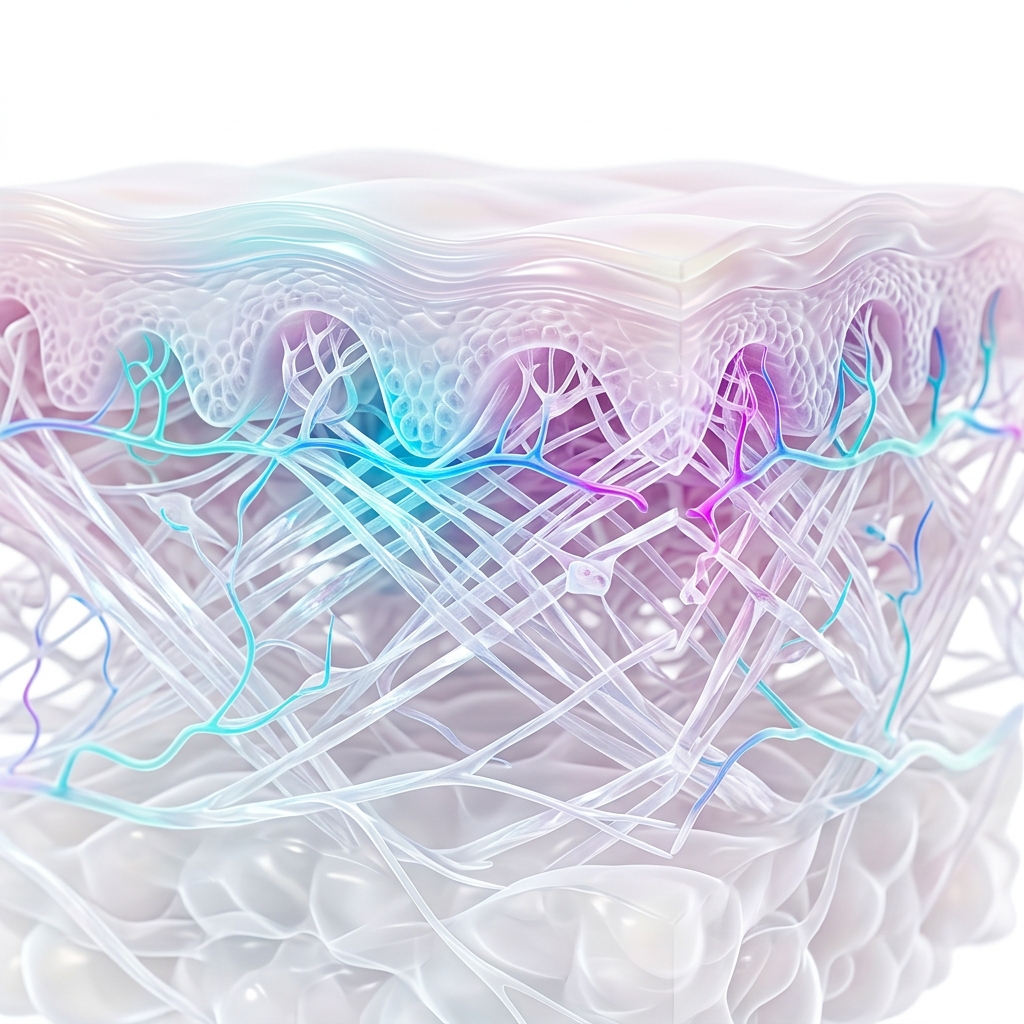
The infographics used in this article are created to support understanding and may differ from actual clinical results.
The information provided is a general medical guideline, and accurate diagnosis and treatment require an in-person evaluation by a qualified specialist.