Can Stem Cell Therapy Rejuvenate Both Skin Tone and Elasticity?
Why Do We Experience Simultaneous Loss of Elasticity and Skin Radiance?
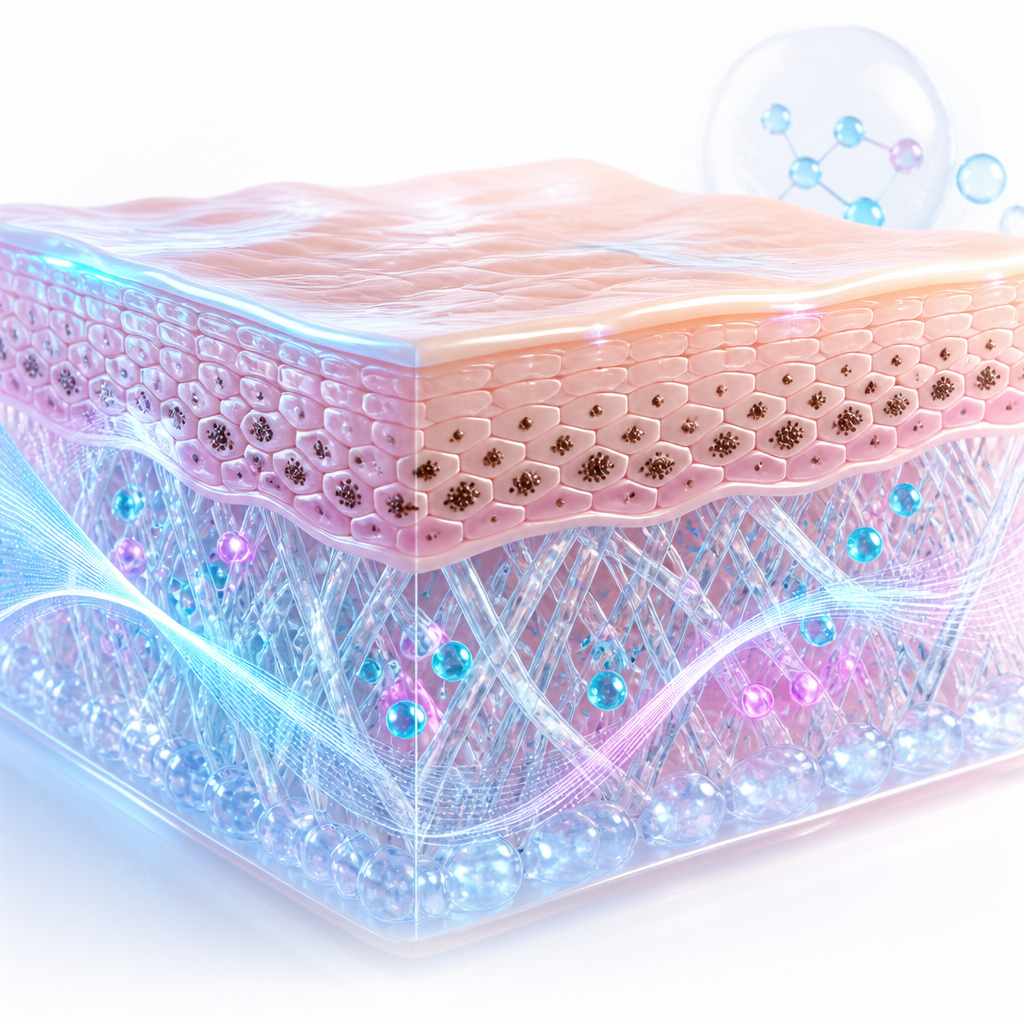
Skin aging is a progressive, multi-factorial biological process characterized by the structural degradation of the extracellular matrix (ECM) and the deregulation of melanocytes. As chronological aging and photo-damage advance, the synthesis of critical proteins such as collagen and elastin declines sharply. Concurrently, dysfunctional melanocytes produce irregular pigment clusters, leading to a dull complexion, age spots, and uneven skin tone. While traditional treatments often treat these concerns in isolation, regenerative medicine offers a integrated physiological pathway.
Treatment timing: Initiating therapy at the first signs of dermal elastosis and micro-pigmentation (typically in the early 30s to late 40s) yields the most profound regenerative response.
Non-surgical care: Conservative management using topical retinoids and rigorous photoprotection is reasonable for mild epidermal dullness, but structural dermal remodeling requires advanced cellular intervention.
Treatment selection: Patient-specific anatomical laxity, Fitzpatrick skin type, and recovery window guide whether to utilize pure exosome micro-needling, stem cell media injection, or combination energy-based device therapies.
How Does Stem Cell Therapy Compare to Conventional Dermatological Treatments?
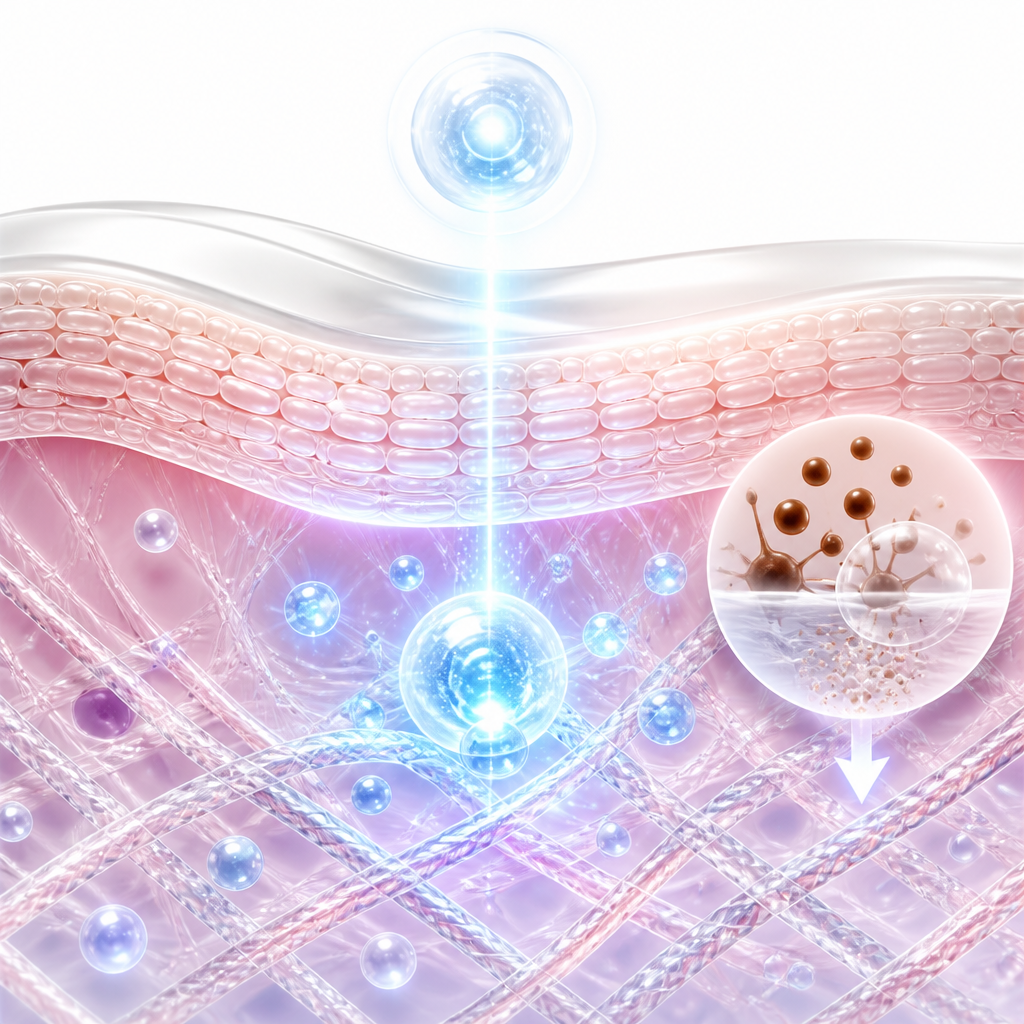
According to multiple observational studies and meta-analyses, specifically published in journals such as PubMed (2022), stem cell-derived secretomes and exosomes contain over 200 distinct growth factors, including transforming growth factor-beta (TGF-β) and platelet-derived growth factor (PDGF). These signaling molecules migrate deep into the dermal layer to activate dormant fibroblasts, prompting a robust synthesis of collagen type I and III. Simultaneously, specific microRNAs within the secretome downregulate the activity of tyrosinase, the rate-limiting enzyme in melanogenesis, resulting in systemic brightening. This dual mechanism presents a distinct paradigm shift compared to traditional ablative approaches.
| Therapy Option | Primary Mechanism | Pigmentation / Whitening | Elasticity / Collagen | Downtime | Limitations |
|---|---|---|---|---|---|
| Stem Cell Secretome / Exosomes | Paracrine signaling, fibroblast activation, melanogenesis downregulation | High (gradual physiological whitening) | High (long-term structural remodeling) | 12-24 hours | Requires multiple sessions for optimal longevity |
| High-Energy Laser Toning | Selective photothermolysis of pigment granules | Very High (rapid targeted clearance) | Moderate | 3-7 days (peeling) | Risk of post-inflammatory hyperpigmentation in darker skin tones |
| Monopolar Radiofrequency | Volumetric deep dermal heating for collagen contraction | None | Very High (immediate & delayed contraction) | None to 1 day | Does not address epidermal pigment or superficial texture |
According to official guidelines or academic evidence, both quantitative criteria and clinical judgment should be reviewed together. In regenerative aesthetics, cellular signaling therapy provides a systemic upregulation of tissue repair mechanisms rather than localized thermal destruction.
However, outcomes may differ in exceptional cases such as patients with active cutaneous infections, uncontrolled autoimmune skin conditions, or those undergoing systemic immunosuppressive therapy.
Am I an Ideal Candidate for Dual-Effect Stem Cell Treatments?
Determining the suitability of stem cell therapy involves a precise diagnostic evaluation of skin quality and cellular response. Unlike laser systems that rely heavily on target chromophores, cellular treatments work cooperatively with the body\’s natural physiology, making them suitable for a broader spectrum of skin types, particularly patients seeking gradual refinement with minimal procedural discomfort.
- Patients demonstrating concurrent signs of early dermal elastosis (fine lines) and uneven epidermal pigmentation.
- Individuals seeking biological skin rejuvenation without undergoing thermal ablation or invasive peeling.
- Those with highly reactive or sensitive skin who cannot tolerate aggressive laser energy.
- Patients aiming to naturally accelerate cellular recovery and enhance skin barrier integrity.
- Individuals possessing realistic expectations for progressive, long-term physiological improvements.
Phase 1: If superficial epidermal dullness is the primary concern, Then initiate topical antioxidant-based conservative care and diligent photoprotection.
Phase 2: If there is moderate loss of elasticity coupled with uneven hyperpigmentation, Then deploy stem cell-derived exosome therapy via micro-channeling to trigger dual regeneration.
Phase 3: If advanced structural sagging and severe photodamage are present, Then combine non-ablative energy-based devices with intradermal stem cell conditioned media injections.
Frequently Asked Questions FAQ
QIs stem cell therapy safe for sensitive or melasma-prone skin?
Yes. Unlike aggressive lasers that can trigger post-inflammatory hyperpigmentation (PIH) or exacerbate melasma, stem cell-conditioned media contains anti-inflammatory cytokines that soothe the skin and naturally downregulate melanocyte hyperactivity, making it highly suitable for sensitive skin types.
QHow many sessions are required to see visible improvements in whitening and elasticity?
Typically, a clinical protocol consists of 3 to 5 sessions spaced 3 to 4 weeks apart. While initial hydration and subtle brightening can be observed within 1 to 2 weeks, structural dermal remodeling and visible collagen synthesis generally manifest between 4 to 12 weeks post-treatment.
QWhat is the expected recovery period after a stem cell session?
The recovery period is remarkably short. Most patients experience mild erythema (redness) and slight swelling for only 12 to 24 hours. Normal skincare routines and makeup application can usually be resumed the following day, provided adequate photoprotection is maintained.
This content is general medical information, and individual treatment decisions should be made through imaging tests and in-person medical evaluation.
Author: Medical content editor based on medical information research
Reviewed by: Specialist consultation from the relevant department
Last reviewed: 2026-06-16
Reference guideline: 2023 International Society for Stem Cell Research (ISSCR) Clinical Guidelines
Medical neutrality and closing note
The core of medical decision-making is not to follow a specific device or a trending procedure, but to choose an option that fits each patient’s individual anatomy, condition, risk level, and treatment goals. Every procedure has both advantages and limitations, so decisions should be made after sufficient discussion with an experienced specialist.
[Medical information and copyright notice]
This content is a professional medical column prepared based on medical consultation from 청담큐비큐의원.
The infographics used in this article are created to support understanding and may differ from actual clinical results.
The information provided is a general medical guideline, and accurate diagnosis and treatment require an in-person evaluation by a qualified specialist.