How Does the Queen Bee Nose Thread Lift Safely Reshape Nasal Contours in Nonhyeon?
Why Are Patients Choosing Specialized Nose Thread Lifts over Traditional Procedures?
Many individuals seeking aesthetic improvements for the nose are concerned about the downtime of surgical rhinoplasty and the risk of vascular complications associated with traditional dermal fillers. In Nonhyeon, dermatology patients are increasingly opting for non-surgical nasal contouring to achieve natural elongation and height. Unlike standard procedures, specialized nose thread lifting offers a mechanical scaffold that supports the nasal tip and bridge from within, reducing the spreading effect often seen with fluid-based injectables.
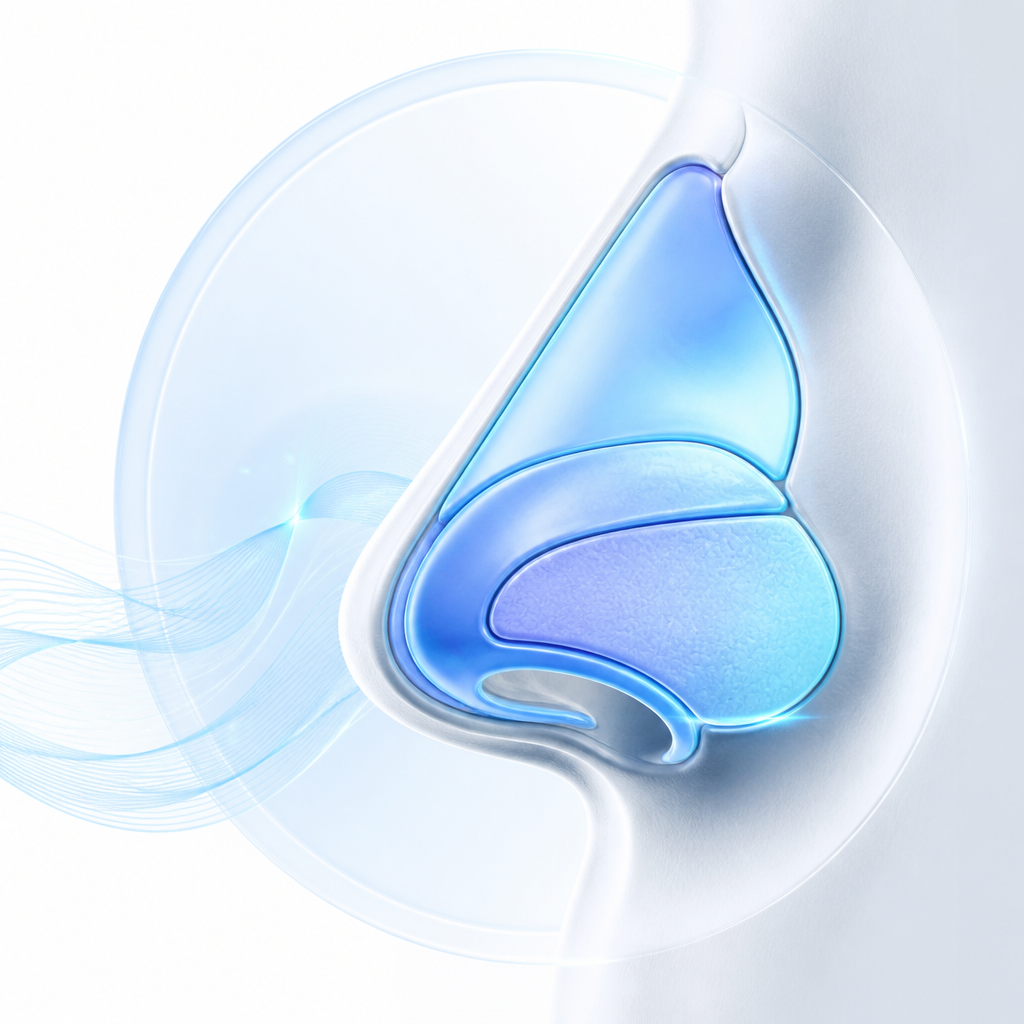
The nose is a highly complex three-dimensional structure composed of the nasal bones, upper and lower lateral cartilages, and a delicate overlay of the superficial muscular aponeurotic system (SMAS), which undergoes progressive changes over time due to soft tissue volume loss and cartilage weakening. Understanding this structural framework is vital when selecting a non-surgical intervention. For subtle corrections, conservative management, such as dermal fillers or temporary support structures, may be sufficient; however, when structural support and tip definition are required, advanced thread lifting becomes the primary option.
Treatment timing: Ideal when the patient requires nasal tip elevation or bridge definition without undergoing invasive surgical rhinoplasty, and when temporary fillers present a migration risk.
Non-surgical care: Conservative management using standard dermal fillers is reasonable for minor dorsal humps, but thread lifting is preferred when structural integrity and columellar support are needed.
Treatment selection: Decisions should be based on the individual’s nasal anatomy, local vascularity, tissue thickness, and expectations regarding durability and recovery time.
How Do Queen Bee Threads Compare to Standard PDO Threads and Dermal Fillers?
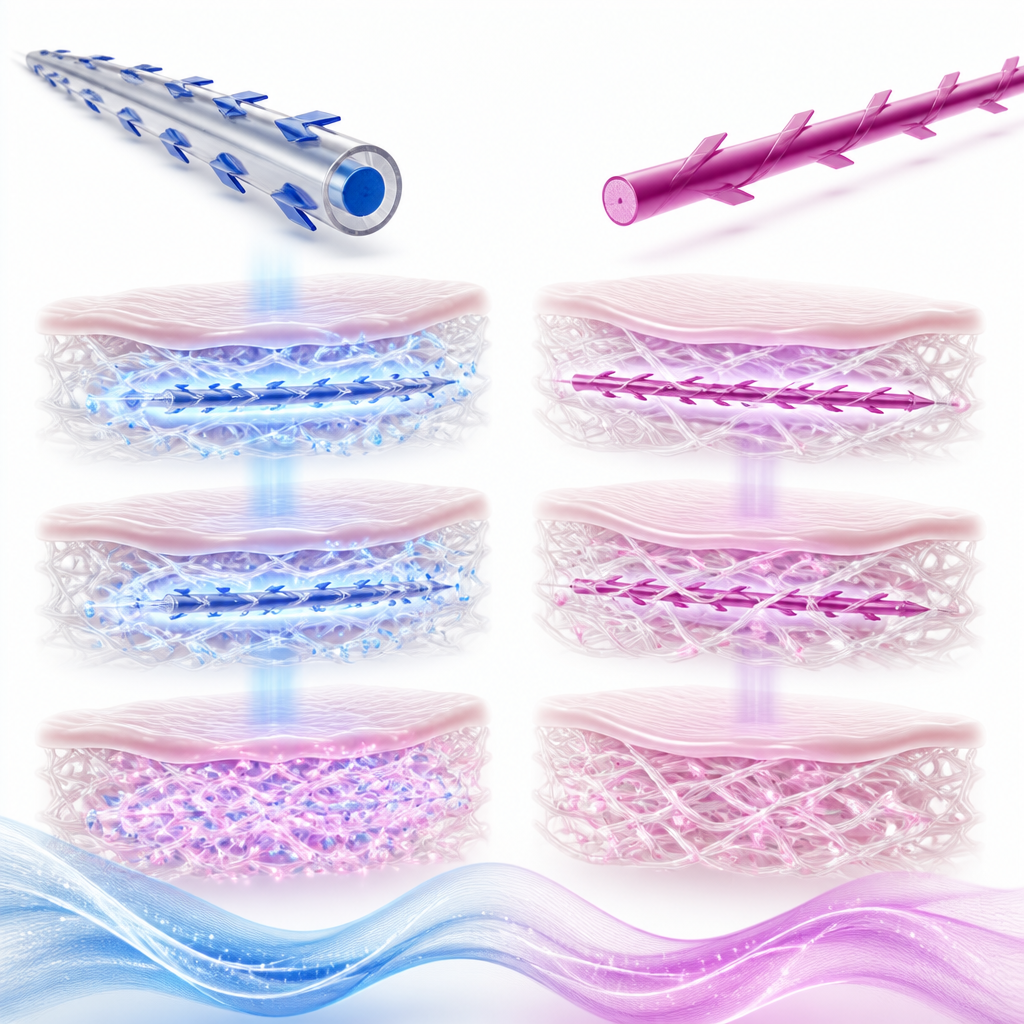
According to multiple observational studies and meta-analyses, such as a 2021 clinical review published in the Journal of Cosmetic Dermatology, hybrid polymer thread designs demonstrate significantly higher tensile strength and a slower rate of biodegradation compared to first-generation polydioxanone (PDO) threads. The Queen Bee nose lift utilizes a specialized blend of PDO and polycaprolactone (PCL) to optimize both immediate lift and long-term collagen synthesis.
While standard PDO threads dissolve within six months, the integration of PCL allows the scaffolding effect to persist for up to 18 to 24 months. Dermal fillers, on the other hand, provide excellent volume but carry a risk of lateral spreading, which can widen the nasal bridge over time. Furthermore, filler injections into the nasal tip present a higher risk of vascular occlusion and tissue necrosis due to the compression of the angular artery. Thread lifts mechanically elevate the tissue, avoiding the high-pressure injection of gel into confined vascular spaces.
| Treatment Type | Key Advantage | Clinical Limitation | Expected Longevity |
|---|---|---|---|
| Queen Bee Thread Lift | Superior columellar support, minimal migration | Requires advanced technical placement | 18 to 24 months |
| Standard PDO Threads | High initial tensile strength, budget-friendly | Rapid degradation, shorter structural support | 6 to 8 months |
| Hyaluronic Acid Fillers | Excellent for minor dorsal contouring | Risk of lateral spreading and vascular compromise | 12 to 18 months |
According to official guidelines or academic evidence, both quantitative criteria and clinical judgment should be reviewed together.
However, outcomes may differ in exceptional cases such as severe congenital nasal septal deviation, active localized cutaneous infections, or patients who have undergone multiple previous surgical rhinoplasties where scar tissue restricts thread placement.
What Are the Key Decision Criteria for Nose Thread Lift Candidates?
Before proceeding with a nasal thread lift, practitioners must assess specific anatomical landmarks, including the nasolabial angle, the nasal septal angle, and skin thickness. Patients with extremely thin skin may risk thread visibility if thick, cogged threads are placed too superficially. Conversely, patients with thick, sebaceous skin may require a higher density of threads to achieve the same degree of mechanical projection.
- Anatomical Evaluation: Assessment of the nasal septal cartilage to ensure adequate baseline support.
- Skin Thickness: Measurement of the dermal thickness over the nasal tip and bridge.
- Prior Procedures: Verification of previous rhinoplasties or filler injections to prevent ischemic complications.
- Patient Goals: Determining if the patient seeks tip rotation, bridge elevation, or correction of a dorsal hump.
- Vascular Mapping: Clinical mapping of the lateral nasal and angular arteries to avoid injury.
To assist in the decision-making process, clinicians often follow a standardized clinical flow:
Step 1: Evaluate nasal skin thickness and cartilage elasticity.
Step 2: Select the optimal thread type (e.g., Queen Bee hybrid threads for structural projection, PDO for minor adjustments).
Step 3: Perform the procedure under sterile, local anesthesia, maintaining a deep supraperiosteal plane of insertion.
Frequently Asked Questions FAQ
QIs the Queen Bee nose thread lift suitable for severely deviated septums?
No, a thread lift is a cosmetic procedure designed to alter the external soft tissue contour and tip rotation. It does not correct internal structural deviations of the nasal septal cartilage or address functional breathing issues. Patients with severe deviation should consult with an ENT specialist or plastic surgeon.
QWhat are the primary warning signs of vascular compromise after a nose lift?
Although rare with thread lifts compared to fillers, vascular compromise can manifest as severe, localized pain, blanching or mottling of the skin, and delayed capillary refill. Immediate medical evaluation is required if any of these signs appear within the first 24 to 48 hours post-procedure.
QHow long should one wait before pursuing a surgical rhinoplasty after a thread lift in Nonhyeon?
It is generally recommended to wait at least 12 to 18 months until the biomedical threads have fully biodegraded and the surrounding collagen has matured. Proceeding with surgery too early can complicate tissue dissection due to the presence of active neo-collagenesis and thread remnants.

This content is general medical information, and individual treatment decisions should be made through imaging tests and in-person medical evaluation.
Author: Medical content editor based on medical information research
Reviewed by: Specialist consultation from the relevant department
Last reviewed: 2026-06-17
Reference guideline: 2022 International Society of Aesthetic Plastic Surgery (ISAPS) Guidelines
Medical neutrality and closing note
The core of medical decision-making is not to follow a specific device or a trending procedure, but to choose an option that fits each patient’s individual anatomy, condition, risk level, and treatment goals. Every procedure has both advantages and limitations, so decisions should be made after sufficient discussion with an experienced specialist.
[Medical information and copyright notice]
This content is a professional medical column prepared based on medical consultation from 청담큐비큐의원.
The infographics used in this article are created to support understanding and may differ from actual clinical results.
The information provided is a general medical guideline, and accurate diagnosis and treatment require an in-person evaluation by a qualified specialist.