Is Stem Cell Therapy Safe for Damaged Skin Barrier Restoration? A Scientific Analysis of Recovery Timelines and Selection Criteria
Why Does the Skin Barrier Fail to Heal Naturally After Severe Damage?
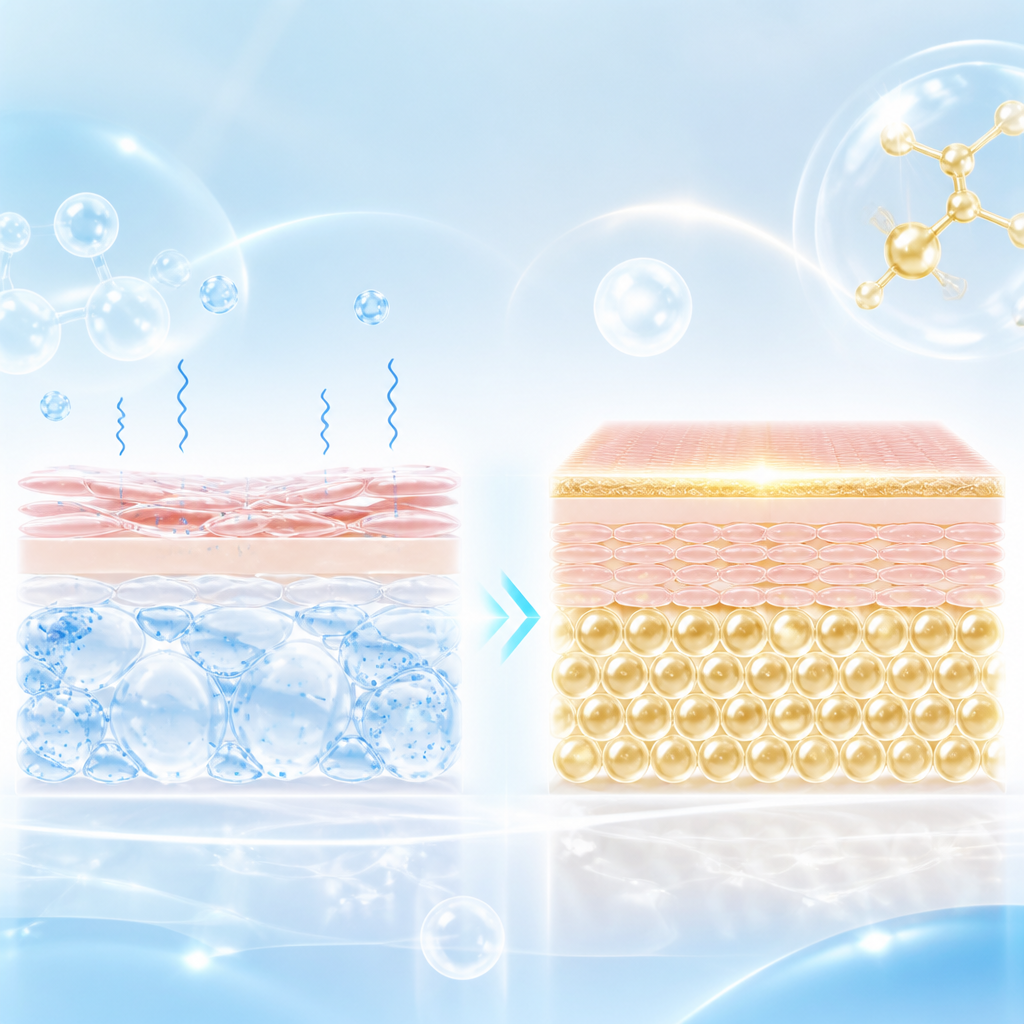
The skin barrier, primarily represented by the stratum corneum, plays an indispensable role in maintaining systemic homeostasis by preventing transepidermal water loss (TEWL) and shielding the body from exogenous pathogens. When this biological shield suffers profound mechanical, thermal, or chemical disruption, the natural repair process can become compromised. Instead of progressing through orderly phases of wound healing, the tissue may stall in a chronic inflammatory state. This progressive dysfunction leads to a continuous degradation of the extracellular matrix and a sustained depletion of local cellular resources, making spontaneous recovery increasingly difficult without advanced bio-active interventions.
Treatment timing: Advanced regenerative therapies are indicated when conservative barrier repairs fail to resolve erythema and TEWL within 4 to 6 weeks.
Non-surgical care: Daily physiologic lipid replenishment (ceramides, cholesterol, free fatty acids) and mild occlusion are reasonable when the basement membrane zone remains structurally intact.
Treatment selection: Decisions must weigh the degree of cellular senescence, dermal thickness, patient recovery window, and systemic inflammatory risk levels.
How Do Stem Cell-Derived Factors Compare to Standard Barrier Repairs?
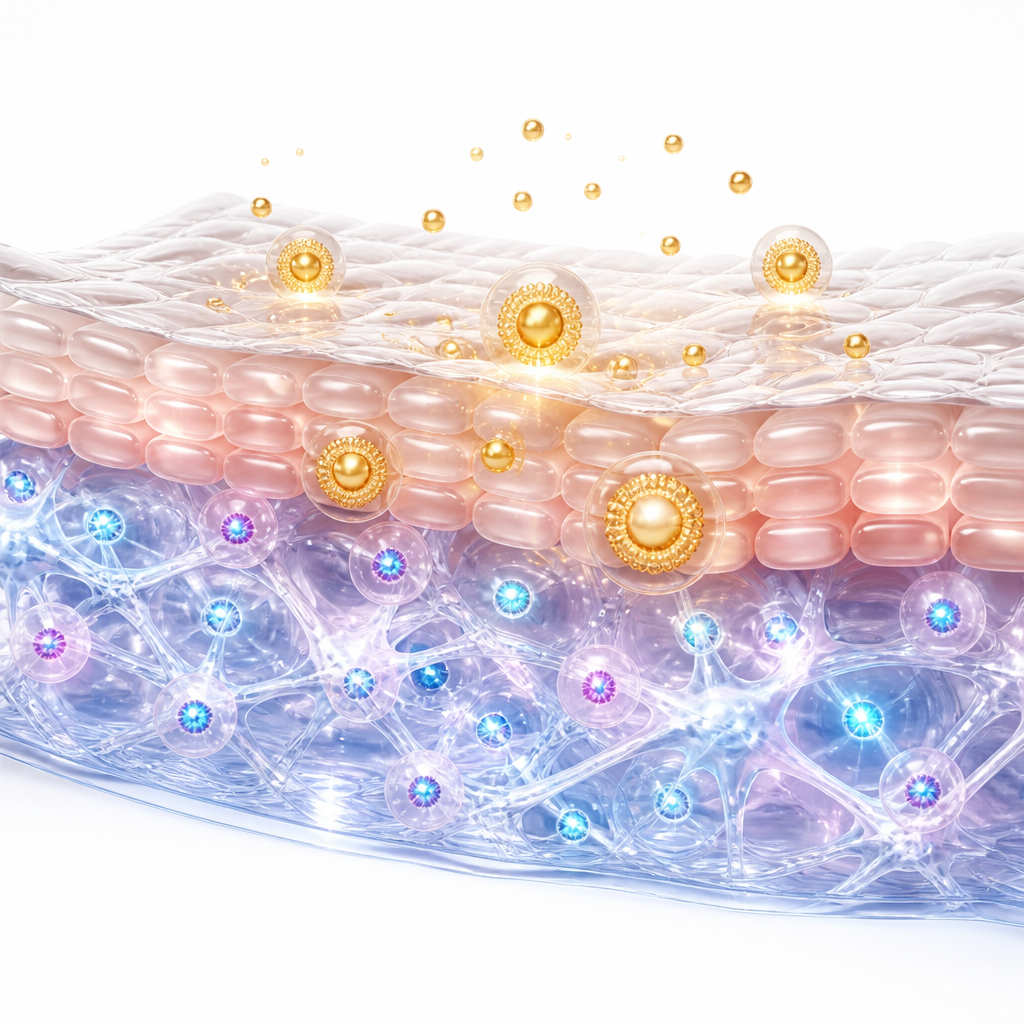
Standard dermatological protocols for damaged skin often rely on physiological lipid replacement therapy. While highly effective at temporarily restoring moisture retention, passive barrier creams do not actively stimulate cellular proliferation or tissue remodeling. In contrast, stem cell-derived therapies operate through complex paracrine effects. Cell-free conditioned media and purified extracellular vesicles (exosomes) release concentrated growth factors directly to damaged cells. This signaling cascade triggers robust fibroblast proliferation and the down-regulation of pro-inflammatory cytokines, actively restructuring the dermal-epidermal junction from within.
To assist clinicians and patients in evaluating these modalities, the table below outlines the core attributes of each therapeutic approach:
| Treatment Type | Primary Biological Mechanism | Key Clinical Benefit | Major Clinical Limitation |
|---|---|---|---|
| Physiological Lipid Therapies | Replenishes intercellular lipids in stratum corneum | Extremely low risk of adverse contact dermatitis | Limited efficacy in stimulating deep dermal collagen synthesis |
| Stem Cell Conditioned Media | Delivers concentrated growth factors and cytokines | Significant acceleration of cellular turnover and healing | Variable standardization of active ingredient concentrations |
| Purified Exosomes | Targeted intercellular signaling via extracellular vesicles | High penetration depth and rapid anti-inflammatory response | Requires sophisticated purification to ensure stability |
According to official guidelines published in the Journal of Dermatological Science (2021), quantitative evaluations of transepidermal water loss (TEWL) exceeding 25 g/m²/h represent a critical threshold where active regenerative interventions should be clinically prioritized over purely passive occlusion.
What Are the Essential Safety Criteria for Selecting Stem Cell Dermatological Treatments?
According to multiple observational studies and meta-analyses published in PubMed (2022), the integration of mesenchymal stem cell-conditioned media demonstrates a statistical improvement in skin density and barrier compliance over a standard 12-week monitoring window. However, outcomes may differ in exceptional cases such as patients presenting with active systemic autoimmune dermatoses or concurrent cutaneous malignancies in the treatment area. Prior to committing to advanced regenerative protocols, clinicians must evaluate specific physiological biomarkers to determine suitability.
Below is an essential clinical checklist for determining patient candidacy:
- Verification of source and purification standards (e.g., rigorous donor screening and zero cellular debris).
- Quantitative measurement of baseline hydration levels and pH of the stratum corneum.
- Assessment of vascular reactivity, noting the presence of persistent erythema or telangiectasia.
- Exclusion of active bacterial, fungal, or viral infections in the target zone.
- Evaluation of the patient’s historical response to topical anti-inflammatory agents.
To streamline the clinical decision-making pathway, the following If-Then framework should be utilized:
Step 1: If TEWL is under 15 g/m²/h and barrier damage is purely superficial, then initiate conservative physiological lipid therapy for 14 days.
Step 2: If barrier disruption persists beyond 21 days with chronic erythema, then integrate stem cell conditioned media to stimulate paracrine restoration.
Step 3: If deep dermal damage, atrophy, or scarring is present, then utilize purified exosome micro-vesicles combined with non-ablative micro-channeling for optimal deep tissue penetration.
Frequently Asked Questions FAQ
QIs there a risk of cellular rejection or tumor formation with topical stem cell-derived products?
No. Standardized aesthetic treatments utilize cell-free conditioned media or purified exosomes, which do not contain intact living stem cells, thereby eliminating the risk of graft rejection or abnormal cellular replication.
QHow soon can patients observe measurable improvements in skin barrier integrity?
According to clinical monitoring protocols, initial changes in hydration and subjective comfort are observed within 7 to 10 days, while deeper structural restoration and reduction in erythema typically stabilize over 4 to 6 weeks of consistent therapy.
QCan these regenerative therapies be combined with laser treatments?
Yes. Combining stem cell-derived factors with non-ablative energy-based devices is a common clinical strategy to accelerate post-procedure re-epithelialization and minimize downtime, provided the laser parameters are strictly adjusted to the patient’s baseline barrier threshold.
This content is general medical information, and individual treatment decisions should be made through imaging tests and in-person medical evaluation.
Author: Medical content editor based on medical information research
Reviewed by: Specialist consultation from the relevant department
Last reviewed: 2026-07-30
Reference guideline: 2023 International Society for Extracellular Vesicles (ISEV) Aesthetic Applications Consensus
Medical neutrality and closing note
The core of medical decision-making is not to follow a specific device or a trending procedure, but to choose an option that fits each patient’s individual anatomy, condition, risk level, and treatment goals. Every procedure has both advantages and limitations, so decisions should be made after sufficient discussion with an experienced specialist.
[Medical information and copyright notice]
This content is a professional medical column prepared based on medical consultation from 청담큐비큐의원.
The infographics used in this article are created to support understanding and may differ from actual clinical results.
The information provided is a general medical guideline, and accurate diagnosis and treatment require an in-person evaluation by a qualified specialist.