Is Stem Cell Therapy the Ultimate Solution for Skin Regeneration? A Clinical Guide to Queen’s Cell Treatment at Cheongdam Dermatology Clinics
What Triggers Dermal Matrix Collapse, and How Do Stem Cells Address It?
To understand the clinical value of advanced cellular therapies, it is essential to look at the underlying pathophysiology of human skin aging. Skin aging is not merely a superficial phenomenon; it is a progressive, degenerative process characterized by cellular senescence and the systematic degradation of the extracellular matrix (ECM). From an anatomical standpoint, dermal fibroblasts are the primary cells responsible for maintaining skin structural integrity by synthesizing collagen Type I and Type III, elastin, and glycosaminoglycans. Beginning in early adulthood, fibroblast proliferation slows down, and their metabolic activity declines by approximately 1% annually. This leads to a fragmented, disorganized dermal matrix that manifests clinically as deep folding, severe loss of elasticity, and thinning of the epidermal-dermal junction.
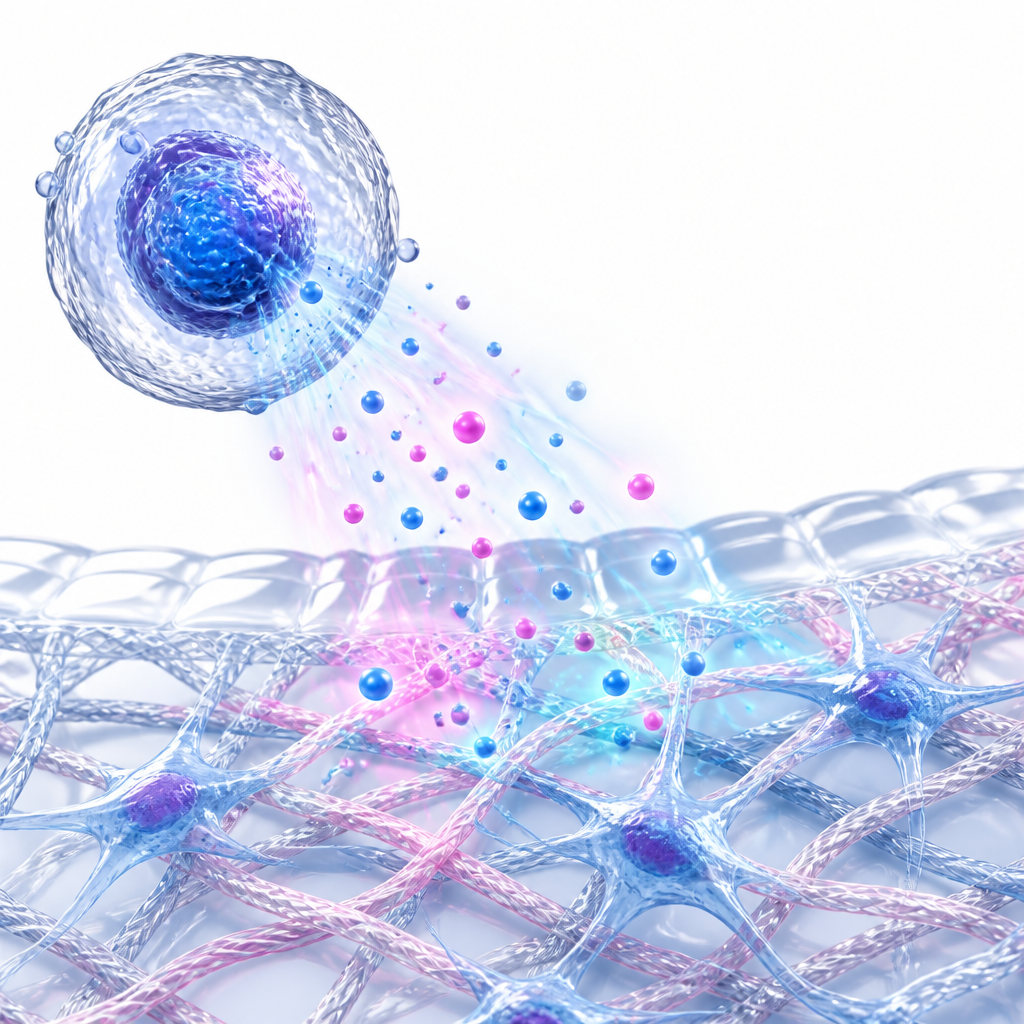
Autologous stem cell therapy, specifically utilizing the Queen’s Cell platform, directly targets this cellular deficit. By harvesting and isolating healthy, high-viability adipose-derived stem cells, clinicians can introduce therapeutically active cells directly into the target regions of Cheongdam patients’ dermal layers. Once injected, these cells exert a potent paracrine effect, secreting a rich cocktail of growth factors, cytokines, and microvesicles. This signaling cascade reactivates dormant local fibroblasts, encourages vascular remodeling, and stimulates the de novo synthesis of structural proteins, effectively reversing the microenvironmental signs of senescence.
Treatment timing: Ideal when standard non-invasive treatments yield diminishing returns, typically characterized by moderate dermal elastosis and a measured 30% or greater loss of natural skin elasticity.
Non-surgical care: Conservative management using medical-grade topical retinoids and superficial microneedling is reasonable for mild epidermal texture issues without deep structural dermal volume loss.
Treatment selection: Decisions must be guided by evaluating individual skin thickness, cell viability rate (ideally exceeding 90%), and the patient’s capacity for autologous cellular regeneration.
How Does Queen’s Cell Therapy Compare to Other Regenerative Modalities?
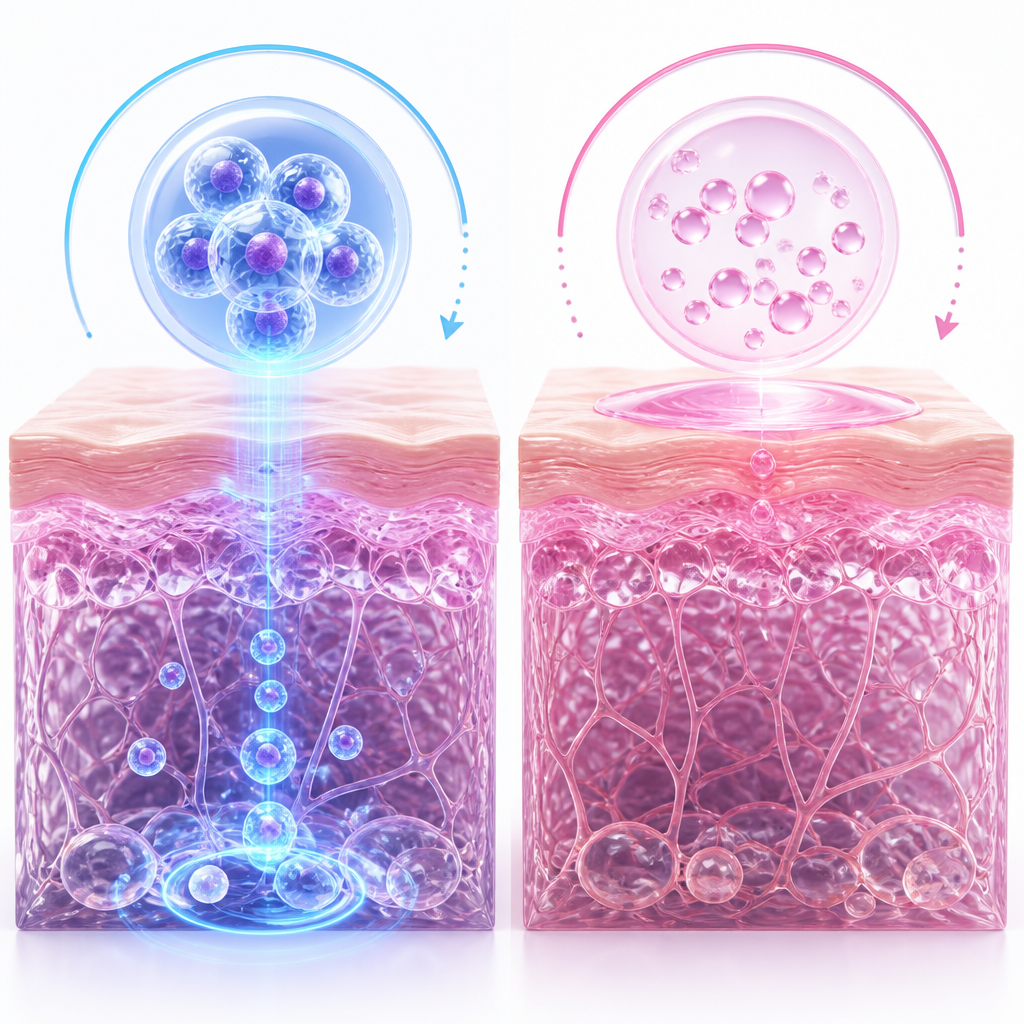
According to multiple observational studies and meta-analyses published in peer-reviewed dermatological journals between 2018 and 2023, the clinical success of cellular therapy relies heavily on cell survival and the purification process. Traditional skin boosters like PDRN (Polydeoxyribonucleotide) or PN (Polynucleotide) derived from salmon DNA provide immediate chemical hydration and mild structural support, but they lack living cellular components. Consequently, their regenerative outcomes are temporary and require frequent maintenance sessions. Similarly, while exogenous exosome treatments offer excellent short-term anti-inflammatory signals, they cannot replace lost cellular populations or undergo continuous replication.
In contrast, Queen’s Cell autologous stem cell injections introduce active, living cells with a certified high cell viability rate. These cells integrate into the host tissue, establishing a long-term microenvironment for continuous collagen production. However, while the advantages of autologous stem cells include profound, long-lasting structural remodeling, a notable limitation is that the procedure requires specialized, sterile laboratory equipment and advanced extraction protocols, making it more complex than simple off-the-shelf injections. The following table highlights the key clinical parameters of these therapies:
| Parameter | Queen’s Cell (Autologous) | PDRN / PN Injections | Exosome Therapy |
|---|---|---|---|
| Primary Component | Autologous adipose-derived stem cells | Salmon-derived polynucleotides | Cell-derived extracellular vesicles |
| Mechanism of Action | Active differentiation & continuous paracrine signaling | Temporary tissue scaffolding and mild hydration | Intercellular communication and signal transduction |
| Cell Viability / Purity | High viability (typically >90% survival rate) | N/A (Non-cellular chemical compound) | N/A (Acellular vesicles) |
| Primary Benefit | Long-term tissue remodeling & collagen synthesis | Rapid skin hydration and temporary soothing | Immediate anti-inflammatory signaling |
| Key Limitation | Requires advanced extraction & processing protocols | Limited long-term structural volume regeneration | Variability in donor vesicle sourcing and purity |
According to official guidelines from the International Society for Stem Cell Research (ISSCR 2021), both quantitative criteria, such as cell viability and count, and clinical judgment regarding patient tissue quality should be reviewed together before initiating cellular therapy.
Are You a Candidate for Advanced Stem Cell Therapy?
Determining clinical suitability for Queen’s Cell treatment requires a meticulous evaluation of the patient’s skin quality, age, and systemic health status. While highly effective, it is not a universal solution for every dermatological concern. Generally, individuals experiencing structural laxity due to natural aging or environmental damage benefit most from this cellular intervention. To assist in clinical decision-making, patients should consider the following essential criteria:
- Presence of moderate-to-severe dermal thinning and fine wrinkling that fails to respond to superficial hydration boosters.
- Patient age typically between 35 and 65, where native fibroblast activity is measurably compromised.
- No active localized skin infections or uncontrolled systemic inflammatory dermatoses in the treatment area.
- A realistic expectation of progressive physiological improvement over a 4 to 12-week timeline rather than instant mechanical filling.
- Willingness to undergo a structured autologous extraction and processing protocol under strict sterile laboratory standards.
To further guide your treatment selection, clinicians utilize a structured decision-making process based on the severity of tissue degradation:
Step 1 (If): If the patient presents with superficial epidermal dryness and mild dullness, (Then): conservative topical skincare, standard hydration boosters, or non-ablative laser resurfacing should be prioritized as the initial line of care.
Step 2 (If): If the patient shows deep structural fat loss or skeletal remodeling, (Then): combination therapies involving deep structural dermal fillers or autologous fat grafting should be considered to restore underlying volume.
Step 3 (If): If the patient suffers from progressive cellular senescence, dermal thinning, and poor skin elasticity with a desire for biological tissue rejuvenation, (Then): highly purified Queen’s Cell autologous stem cell injections at a specialized dermatology facility in Cheongdam are indicated.
However, outcomes may differ in exceptional cases such as patients with severe autoimmune connective tissue diseases, active dermatological malignancies, or uncontrolled systemic metabolic conditions where cellular response and wound healing mechanisms may be significantly blunted.
Frequently Asked Questions FAQ
QHow long does the recovery process take after Queen’s Cell stem cell therapy?
Most patients experience mild erythema and transient localized swelling for 24 to 48 hours. Because autologous stem cells do not trigger foreign body immune reactions, the risk of severe delayed hypersensitivity is exceedingly low. Full cellular integration and visible improvements in dermal thickness generally manifest within 4 to 8 weeks as collagen synthesis occurs.
QAre there any documented side effects of autologous stem cell injections?
Since the treatment utilizes the patient’s own cells processed under strict aseptic conditions, the risk of immunological rejection is virtually zero. However, localized injection-site bruising, temporary micro-papules, or mild tenderness may occur. According to clinical guidelines, ensuring a sterile laboratory extraction environment is the most critical factor in mitigating infectious risks.
QCan this procedure be combined with other energy-based device (EBD) treatments?
Yes. Combining stem cell injections with micro-focused ultrasound or radiofrequency devices can synergistically enhance tissue remodeling. The energy-based device induces controlled thermal micro-injuries, which then trigger the injected autologous stem cells to accelerate the healing response and maximize extracellular matrix synthesis. However, a treatment interval of 2 to 4 weeks is often recommended depending on clinical presentation.
This content is general medical information, and individual treatment decisions should be made through imaging tests and in-person medical evaluation.
Author: Medical content editor based on medical information research
Reviewed by: Specialist consultation from the relevant department
Last reviewed: 2026-07-29
Reference guideline: 2021 International Society for Stem Cell Research (ISSCR) Guidelines for Stem Cell Research and Clinical Translation
Medical neutrality and closing note
The core of medical decision-making is not to follow a specific device or a trending procedure, but to choose an option that fits each patient’s individual anatomy, condition, risk level, and treatment goals. Every procedure has both advantages and limitations, so decisions should be made after sufficient discussion with an experienced specialist.
[Medical information and copyright notice]
This content is a professional medical column prepared based on medical consultation from 청담큐비큐의원.
The infographics used in this article are created to support understanding and may differ from actual clinical results.
The information provided is a general medical guideline, and accurate diagnosis and treatment require an in-person evaluation by a qualified specialist.