Can Shoulder Fillers Safely Create a Broad, Square Shoulder Line? A Comprehensive Guide from a Nonhyeon Dermatology Clinic
Why are more men in Nonhyeon considering shoulder contouring fillers?
A well-defined, broad shoulder line is often regarded as a key feature of a balanced male physique. However, due to genetic skeletal limitations or asymmetrical muscle development, many individuals find it challenging to achieve a square shoulder line through exercise alone. In the vibrant district of Nonhyeon, professional men are increasingly turning to dermatological procedures to address these structural aesthetic concerns. The shoulder area is anatomically complex, composed of the deltoid muscle, overlying subcutaneous tissue, and a dense network of blood vessels. When localized volume deficiency or asymmetry exists, target-specific dermal fillers offer a non-surgical alternative to reshape the lateral contour of the upper arm and shoulder joint.
Unlike muscle hypertrophy achieved through heavy resistance training, which primarily builds the muscle fibers of the deltoid, volumetric dermal fillers target the subcutaneous space to smooth out depressions and extend the lateral border of the shoulder. This procedure is particularly relevant for individuals experiencing localized lipoatrophy or constitutional asymmetry where one side exhibits less soft tissue volume. It is crucial to understand that cosmetic shoulder enhancement is a highly specialized intervention. Because the shoulder joint supports a wide range of motion, any material injected into this space must integrate seamlessly with the surrounding tissues to prevent displacement or unnatural stiffness during physical activity.
Treatment timing: When persistent structural asymmetry or a narrow shoulder contour remains unresolved despite consistent physical conditioning and resistance training.
Non-surgical care: Conservative management including postural correction, rotator cuff strengthening, and targeted deltoid hypertrophy should be pursued before opting for filler contouring.
Treatment selection: The choice between hyaluronic acid and collagen-stimulating agents must depend on the patient’s skin elasticity, local vascular anatomy, and desired duration of the corrective effect.
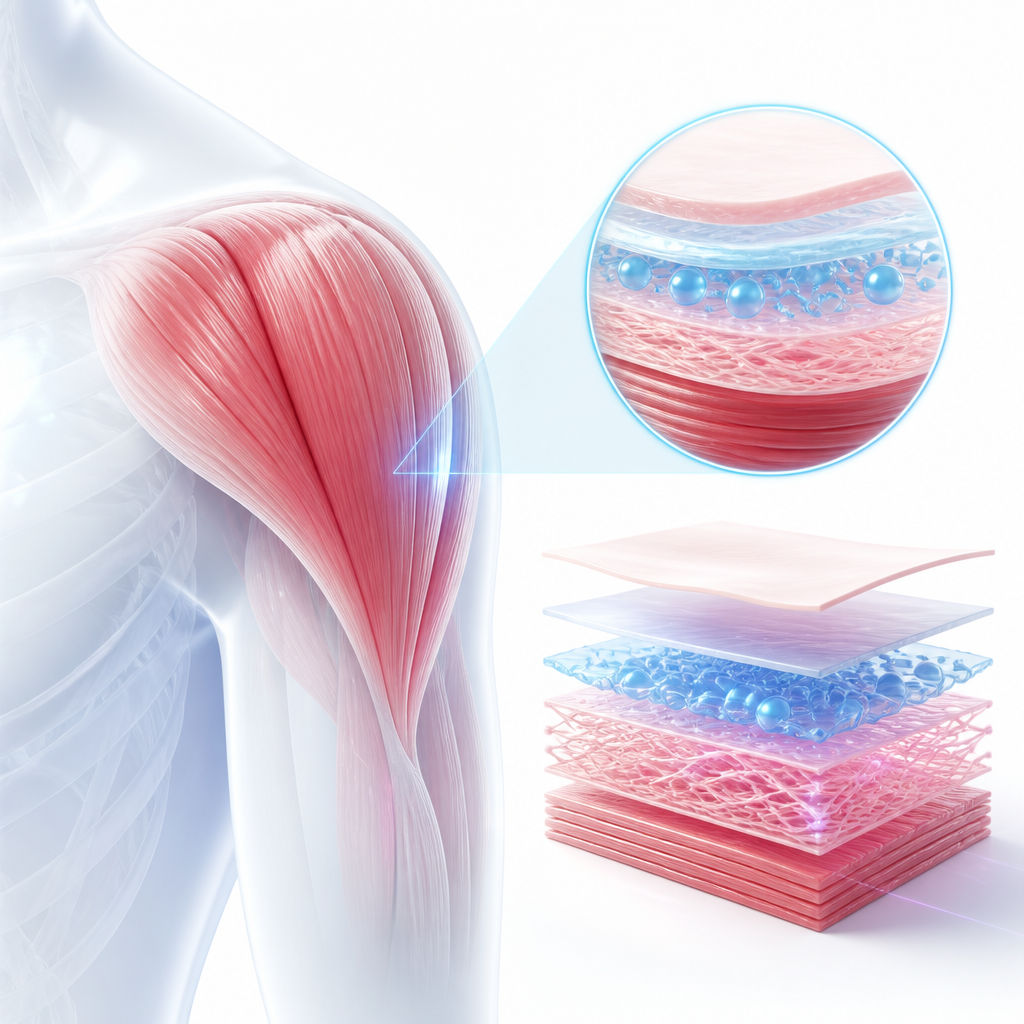
What are the anatomical mechanisms and differences between shoulder filler options?
The shoulder region, specifically the deltoid area, consists of three distinct muscular heads: the anterior, lateral, and posterior deltoid. To achieve a square profile, the focus is typically on the lateral deltoid area. Anatomically, the subcutaneous tissue overlying the lateral deltoid is relatively thin compared to other body areas. This requires a highly precise injection technique. Placing the filler too superficially can lead to visible irregularities, skin contour deformities, or the Tyndall effect. Conversely, injecting too deeply into the muscle tissue can lead to rapid degradation of the material due to constant muscle contraction and increases the risk of deep vascular injury.
According to multiple observational studies and meta-analyses published in the Journal of Dermatologic Surgery (2022), body contouring procedures utilizing high-viscoelasticity hyaluronic acid fillers require a deep subcutaneous placement technique just above the muscular fascia. This layer contains fewer major blood vessels, thereby minimizing the risk of vascular occlusion. The progressive nature of soft tissue laxity means that as individuals age, the overlying skin structure naturally thins, which makes precise placement even more critical. When selecting a treatment, clinicians must weigh the immediate volume-enhancing capabilities of hyaluronic acid against the gradual, collagen-stimulating properties of polylactic acid (PLA) or polycaprolactone (PCL) formulations.
| Filler Type | Primary Advantage | Key Limitation | Target Patient Profile |
|---|---|---|---|
| Hyaluronic Acid (HA) | Immediate volumetric effect and reversibility using hyaluronidase. | Shorter duration of effect, requiring periodic maintenance sessions. | Patients seeking immediate correction with low risk tolerance. |
| Collagen Stimulator (PLA/PCL) | Gradual, highly natural tissue integration through neocollagenesis. | Non-reversible once injected; requires several months to see full results. | Patients prioritizing long-term durability and natural texture. |
According to official clinical guidelines from international dermatologic surgery societies, contouring large body areas requires a thorough understanding of deep fascial planes and precise volume titration to avoid nodule formation.
While both modalities are effective, outcomes may differ in exceptional cases such as patients with pre-existing systemic autoimmune disorders, severe keloidal scarring tendencies, or localized active dermatological infections in the shoulder region. In these instances, conservative physical therapy and posture correction exercises are recommended as the safest primary approach, completely avoiding invasive filler injections until the underlying conditions are fully resolved.
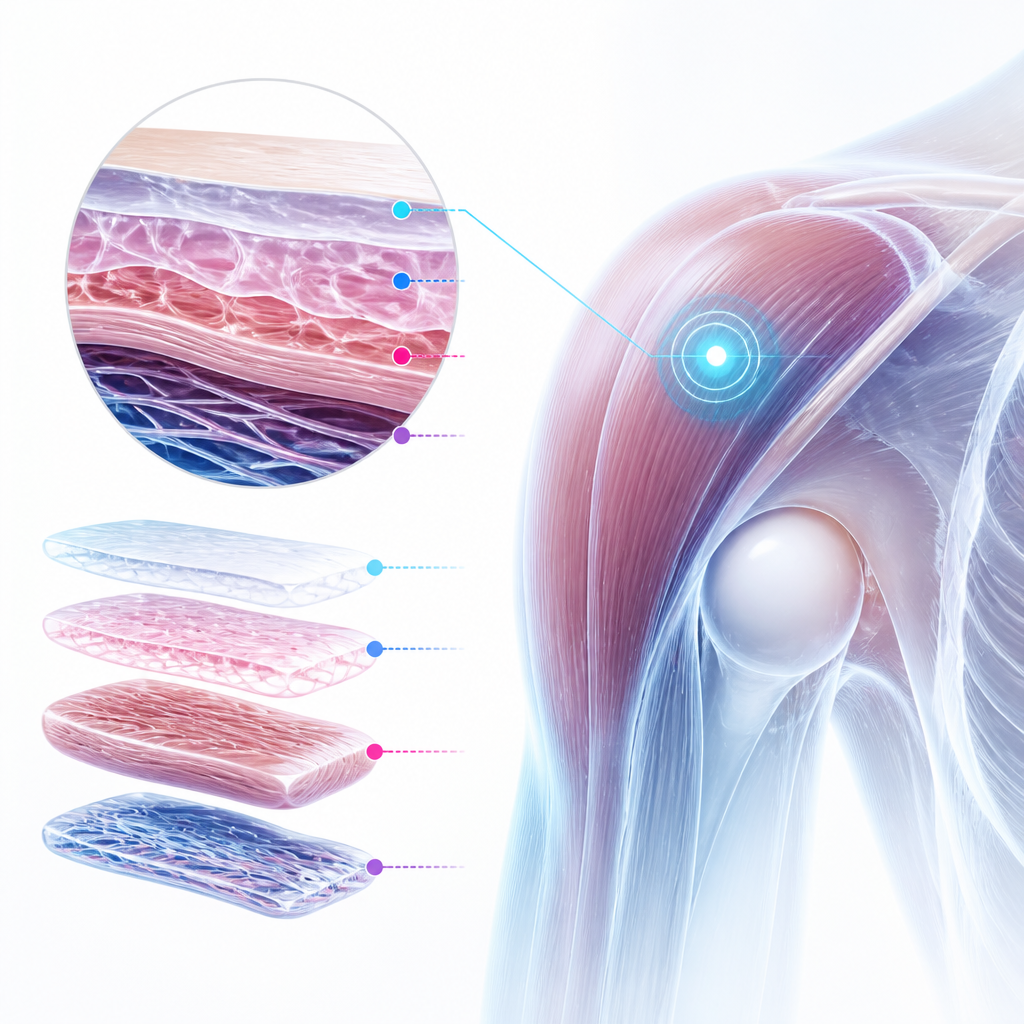
What should you check before undergoing male shoulder filler procedures in Nonhyeon?
Prioritizing safety and structural harmony is the most important step when considering body contouring procedures in Nonhyeon. Because the shoulder supports significant mobility, the injected material is subjected to constant mechanical shear forces. To ensure a safe and aesthetically pleasing result, patients must undergo a rigorous pre-treatment evaluation at a specialized dermatology clinic. The assessment should include a physical palpation of the deltoid area, measurement of skin laxity, and a detailed review of the patient’s physical activity levels. High-intensity weightlifters, for example, may require a different placement strategy compared to individuals with sedentary lifestyles, as intense muscle contractions can accelerate filler migration if the material is not anchored correctly.
Furthermore, clinical protocols suggest that the volume of filler administered per session should be strictly regulated. Attempting to inject excessive amounts in a single session to achieve a dramatic square shoulder line can compromise local blood circulation and lead to delayed-onset nodules or sterile abscesses. According to a clinical review by the Korean Dermatological Association (2021), gradual volume titration over two to three sessions spaced several weeks apart significantly reduces the incidence of tissue tension-related complications and yields a much more natural structural integration.
- Vascular Mapping: Verify if the clinic utilizes advanced techniques to map localized superficial blood vessels before injection.
- Filler Viscoelasticity: Ensure that high-cohesive, high-elasticity dermal fillers designed specifically for deep tissue projection are selected.
- Sterile Environment: Confirm that the procedure is performed under strict aseptic conditions to minimize the risk of deep-space tissue infection.
- Post-Procedure Protocol: Understand the mandatory restrictions on upper-body exercise and pressure application for the first few weeks.
- Physician Experience: Select an experienced dermatologist who possesses a deep understanding of body musculature and fascial anatomy.
To assist in your decision-making process, consider the following clinical evaluation pathway:
Step 1: Assess whether the shoulder asymmetry or narrow contour is due to muscle weakness or skeletal structure. If due to minor muscle asymmetry, prioritize 3-6 months of targeted resistance exercise.
Step 2: If asymmetry persists despite exercise, evaluate skin elasticity and subcutaneous fat thickness with a qualified dermatologist in Nonhyeon.
Step 3: If the skin is healthy and adequate subcutaneous tissue is present, proceed with a customized, low-volume filler injection plan targeting the deep subcutaneous layer.
Frequently Asked Questions FAQ
QIs the shoulder filler procedure painful, and what is the typical recovery timeline?
The procedure is typically performed using local anesthesia or cannulas pre-mixed with lidocaine to minimize discomfort. Patients may experience a mild, deep pressure sensation during the injection. The initial recovery period lasts about 3 to 7 days, during which temporary swelling, mild bruising, and a feeling of tightness in the deltoid region may occur. Patients are advised to avoid heavy lifting and overhead shoulder movements for at least two weeks to ensure the filler material settles stably within the target tissue layer.
QCan the shoulder filler migrate or sag over time due to gravity or movement?
If the filler is placed in the correct anatomical plane—specifically the deep subcutaneous layer just above the muscle fascia—the risk of migration is extremely low. High-cohesive fillers are specifically engineered to resist displacement from everyday movements. However, if an excessive volume is injected too superficially or directly into the highly active muscle tissue, mechanical shear forces can cause the filler to shift. This highlights the importance of choosing a highly skilled clinician who adheres to conservative volume limits.
QHow long do the results of a male shoulder filler treatment last?
The longevity of the treatment depends largely on the type of material used and individual metabolic rates. Standard high-density hyaluronic acid fillers typically maintain their structured volume for approximately 12 to 18 months. Over this period, the body naturally and safely metabolizes the substance. Collagen-stimulating fillers can last up to 24 months or longer, as they rely on the patient’s own tissue generation. Periodic touch-up treatments can help sustain the desired square shoulder line over a longer period.
This content is general medical information, and individual treatment decisions should be made through imaging tests and in-person medical evaluation.
Author: Medical content editor based on medical information research
Reviewed by: Specialist consultation from the relevant department
Last reviewed: 2026-08-03
Reference guideline: 2023 International Society of Dermatologic Surgery Guidelines
Medical neutrality and closing note
The core of medical decision-making is not to follow a specific device or a trending procedure, but to choose an option that fits each patient’s individual anatomy, condition, risk level, and treatment goals. Every procedure has both advantages and limitations, so decisions should be made after sufficient discussion with an experienced specialist.
[Medical information and copyright notice]
This content is a professional medical column prepared based on medical consultation from 청담큐비큐의원.
The infographics used in this article are created to support understanding and may differ from actual clinical results.
The information provided is a general medical guideline, and accurate diagnosis and treatment require an in-person evaluation by a qualified specialist.