Introduction: The Evolution of Upper Body Aesthetics
In recent years, the aesthetic focus has shifted beyond facial features to the contours of the upper body, specifically the “straight shoulder” line and a defined clavicle. According to multiple observational studies and meta-analyses, the demand for non-surgical body contouring has increased by approximately 25% among international patients visiting specialized medical hubs. Patients considering these procedures abroad—particularly those exploring options in internationally recognized medical hubs like South Korea—often face questions about the safety, longevity, and anatomical precision required for such delicate areas. While traditional focus was on weight loss, modern clinical approaches prioritize structural enhancement using dermal fillers to highlight the collarbone, creating a more athletic and elegant silhouette. This shift reflects a deeper understanding of how subtle volume adjustments can redefine the body’s natural frame without invasive surgery.
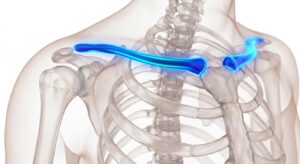
• Medically, clavicle enhancement is defined as the strategic placement of biocompatible fillers in the supraclavicular fossa to augment the protrusion of the clavicle bone and refine the shoulder-neck transition.
• Conditions under which conservative management, such as posture correction and physical therapy to address rounded shoulders, remains reasonable include mild postural asymmetry without structural deficiency.
• Criteria to consider when choosing treatment include the patient’s subcutaneous fat thickness, the specific rheology of the filler used, and the anticipated recovery timeline for international travel.
The Anatomical Principle of Clavicle Definition
The prominence of the clavicle, or collarbone, is determined by the relationship between the bone structure, the overlying subcutaneous fat, and the tension of the platysma and trapezius muscles. Medically, the goal of a clavicle filler procedure is to create a “shadowing effect” by volumizing the areas immediately adjacent to the bone, thereby making the bone itself appear more distinct. International medical society guidelines indicate that the depth of injection must be precisely controlled to avoid the underlying neurovascular structures, including the subclavian artery and the brachial plexus. However, in exceptional cases where a patient has extremely thin skin or underlying lymphatic issues, the outcome may differ, requiring a more conservative volume approach.
Multiple peer-reviewed publications report that the use of high-cohesivity hyaluronic acid is preferred in this region because it maintains its shape against the constant movement of the shoulders and neck. According to multiple observational studies and meta-analyses, the average depth for supraperiosteal placement in this region is typically between 2mm and 4mm, depending on individual anatomy. This treatment modality is often sought by those who, despite a low body mass index, lack visible collarbone definition due to genetic bone structure or fat distribution. The procedure aims to significantly reduce the “flat” appearance of the upper chest while providing a more contoured look that mimics the results of intensive athletic training.
Comparison Analysis: Clavicle Filler vs. Trapezius Neuromodulator
To achieve the “straight shoulder” or “90-degree shoulder” look popular in the Gangnam medical district, clinicians often compare or combine two distinct modalities: dermal volumizing and muscle relaxation. While the injection procedure for the clavicle focuses on bone prominence, the treatment involving botulinum toxin targets the upper trapezius muscle to reduce its bulk, effectively lowering the shoulder line. International medical society guidelines indicate that combining these two approaches can provide a synergistic effect for patients with both high muscle volume and low bone definition. However, in exceptional cases where muscle hypertrophy is the sole concern, the aforementioned procedure involving volumizing fillers may not be necessary to achieve the desired aesthetic.
| Criterion | Clavicle Filler | Trapezius Botox |
|---|---|---|
| Primary Objective | Bone definition & prominence | Muscle reduction & shoulder slope |
| Onset of Results | Immediate (Post-swelling) | 2–4 weeks post-injection |
| Downtime Range | 1–3 days | Minimal (0–1 day) |
| Medical Limitation | Requires high structural stability | Temporary muscle weakness possible |
The Role of Conservative Management and Physical Therapy
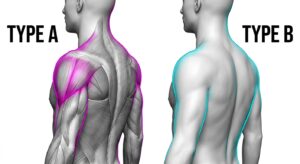
Before proceeding with aesthetic injections, it is vital to evaluate if the lack of shoulder definition is caused by postural issues. Conditions such as “Upper Cross Syndrome,” characterized by rounded shoulders and a forward head posture, can bury the clavicle and make the shoulders appear sloped regardless of bone structure. According to the American Academy of Dermatology Guidelines (2023 edition), addressing the skin and subcutaneous layers is only one part of the aesthetic equation. Clinical data from specialized clinics in the region suggests that patients who engage in regular pectoral stretching and middle trapezius strengthening see more sustainable results from their aesthetic treatments. However, in exceptional cases where the anatomical bone structure is naturally deep-set, conservative management alone may not yield the prominent “straight” look many patients desire.
Checklist: Selecting a Facility for International Patients
When seeking treatment in a global medical hub like Seoul, international patients must prioritize clinical safety over marketing claims. The following criteria are essential for a successful outcome:
- Verification of board certification for the performing specialist in dermatology or plastic surgery.
- Availability of high-frequency ultrasound (Doppler ultrasound) to map vessels before the injection procedure.
- Provision of a detailed post-care protocol specifically designed for travelers (e.g., air travel precautions).
- Clear communication regarding the brand and rheology of the hyaluronic acid being used.
- English-language medical support and documentation for follow-up care in the patient’s home country.
However, in exceptional cases where a patient has a history of autoimmune reactions to dermal implants, the selection criteria must be further tightened to include allergy testing where applicable.
Decision-Making Flow for Shoulder Enhancement
A structured approach helps patients navigate the choices available in the local medical community:
- IF: The clavicle is obscured by muscle bulk (upper trapezius) → THEN: Consider neuromodulators to lower the shoulder slope first.
- IF: The bone structure is visible but lacks “pop” or definition → THEN: Pursue targeted volumizing in the supraclavicular fossa.
- IF: Significant asymmetry exists due to scoliosis or skeletal issues → THEN: Prioritize a medical orthopedic evaluation before aesthetic intervention.
According to multiple peer-reviewed publications report that a staged approach often results in higher patient satisfaction compared to aggressive single-session treatments. However, in exceptional cases where a patient has a limited stay in the country, a combined approach may be considered under strict specialist supervision.
Frequently Asked Questions for Medical Tourists
Q1: How long should I plan to stay for this procedure?
While the injection procedure itself takes approximately 30 minutes, it is medically recommended to remain in the city for 2–3 days. According to multiple observational studies and meta-analyses, this period allows for the initial settling of the filler and permits a follow-up check for any late-onset vascular or inflammatory signs before long-haul flights.
Q2: Can I carry heavy luggage after the treatment?
International medical society guidelines indicate that patients should avoid heavy lifting or repetitive shoulder movements for at least 7 days. This precaution prevents the migration of the filler material and ensures that the defined line remains stable during the integration phase. However, in exceptional cases where travel logistics require movement, the use of wheeled luggage is highly recommended.
Q3: Is English-language consultation typically available at specialized centers?
Leading providers in the medical district often maintain dedicated international teams. Effective communication of aesthetic goals—such as the desired “sharpness” of the collarbone—is critical to avoid over-filling, which can lead to an unnatural appearance. Clinical data suggests that clear pre-treatment evaluation significantly reduces the need for revision procedures.
Medical Review: Specialist in the relevant department
Last Reviewed: {TODAY_DATE}
Reference Guidelines: ISAPS Aesthetic Guidelines; American Society of Plastic Surgeons (2023)
Medical Neutrality and Closing Notes
The essence of this treatment lies not in following a specific device or trending technique, but in making the medical choice most suited to each patient’s individual anatomy and condition. Every procedure has both advantages and limitations, and thorough consultation with a qualified specialist is essential before any decision.
[Medical Information Disclosure and Copyright Notice]
• This content has been produced as a professional medical column based on the medical advisory of 청담큐비큐의원, a medical institution located in South Korea.
• Infographics used in this article were created with the assistance of AI technology for illustrative purposes and may differ from actual clinical outcomes.
• The information provided reflects general medical guidelines. For accurate diagnosis and treatment, please visit a qualified medical institution and consult directly with a specialist.
• For inquiries regarding English-language consultation, international patient services, or medical travel arrangements, please contact the medical institution directly.