Introduction: Beyond the Myth of Instant Weight Loss
A common misconception among individuals seeking aesthetic improvements is that non-surgical body contouring injections serve as a direct substitute for weight loss surgery or traditional liposuction. Medically speaking, these treatments are not designed for global fat reduction but for the precision targeting of localized, exercise-resistant subcutaneous fat deposits. Patients considering such treatments in South Korea—a region globally recognized for its high volume of aesthetic procedures—often enter consultations expecting a total transformation of their silhouette. However, the true medical value of lipolytic injections lies in their ability to refine specific anatomical contours where diet and exercise have reached a plateau.
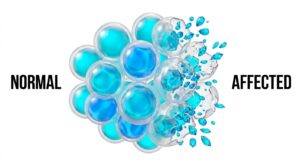
Line 1: Medically, body contouring injections are defined as the localized administration of lipolytic agents into the subcutaneous adipose tissue to induce the breakdown and subsequent metabolic clearance of fat cells.
Line 2: Conservative management or non-invasive lifestyle modification is reasonable when localized fat deposits are minimal or when systemic metabolic disorders are the primary cause of weight gain.
Line 3: Successful outcomes depend on verifying the specific chemical composition of the injection, the practitioner’s anatomical expertise, and the patient’s capacity for efficient lymphatic drainage.
According to multiple peer-reviewed publications, the efficacy of the injection procedure depends significantly on the precise depth of administration within the dermal-fat interface. This is because the mechanism involves a chemical-induced adipocyte disruption. When the solution is introduced, it initiates a cascade of lipolysis, where triglycerides within the fat cells are broken down into free fatty acids and glycerol. These components are then transported via the lymphatic system to the liver for excretion or energy utilization. However, in exceptional cases where patients have compromised lymphatic function or chronic inflammatory conditions, the clearance of these lipids may be delayed, leading to localized edema or suboptimal aesthetic results.
Comparative Analysis: Lipolytic Injections vs. Cryolipolysis
International patients often weigh the benefits of liquid-based contouring therapy against mechanical methods like cryolipolysis. Both aim for non-surgical fat reduction but utilize vastly different physiological pathways. While the aforementioned procedure uses chemical induction, cryolipolysis relies on controlled thermal reduction to induce apoptosis in fat cells. Choosing between them requires an understanding of the specific fat density and the desired recovery timeline.
| Feature | Lipolytic Injection Therapy | Cryolipolysis (Cooling) |
|---|---|---|
| Primary Mechanism | Chemical adipocyte disruption (Lipolysis) | Thermal-induced cell death (Apoptosis) |
| Target Precision | High (can target very small, irregular areas) | Moderate (limited by applicator size) |
| Downtime Range | 1 to 3 days (minor swelling/bruising) | 0 to 2 days (possible numbness) |
| Standard Protocol | Typically 3–5 sessions at 2-week intervals | 1–2 sessions per area |
| Medical Limitation | Potential for unevenness if injected incorrectly | Risk of Paradoxical Adipose Hyperplasia (PAH) |
International medical society guidelines indicate that the choice between these modalities should be dictated by the “pinch test” results. If the adipose tissue is soft and easily injectable, the metabolic solution may offer more nuanced sculpting. Conversely, if the fat is fibrous and dense, mechanical cooling might be prioritized. However, in exceptional cases where the patient exhibits skin laxity alongside fat deposits, neither method alone may suffice, and a combination therapy involving radiofrequency might be required to ensure the skin tightens as the volume decreases.

The Biological Foundation: How Lipolysis Works in Medical Contouring
To understand why certain medical institutions in the region emphasize specific injection protocols, one must examine the pathophysiology of fat storage. Subcutaneous fat is stored in lobules separated by connective tissue septa. A high-quality contouring agent typically contains ingredients that increase the permeability of the adipocyte membrane. According to multiple observational studies and meta-analyses, the inclusion of certain enzymes and amino acids can accelerate the emulsification of fat. Once the cell membrane is compromised, the intracellular lipids are released into the interstitial space.
According to PubMed-indexed research (2020–2024 aggregate), the efficiency of this process is highly dependent on the vascularity of the target area. Areas with higher blood flow tend to see faster results as the metabolic byproducts are removed more quickly. This is why hydration and light physical activity are often recommended following the injection procedure. However, in exceptional cases where a patient is severely sedentary or has a metabolic rate below the baseline, the released lipids may simply be re-absorbed by neighboring adipocytes, negating the effects of the treatment.
Pre-Treatment Checklist: Safety and Travel Logistics
For international patients, the decision to undergo treatment involves more than just selecting a clinic. It requires careful coordination with travel schedules and an understanding of South Korea’s medical standards. Most reputable centers utilize formulations that have been refined through high clinical volumes, but patients must still perform their due diligence.
- Certification Verification: Ensure the attending physician is board-certified in dermatology or plastic surgery.
- Ingredient Transparency: Request a list of the primary agents used (e.g., deoxycholic acid, specialized enzymes).
- Travel Timing: Plan to stay at least 3 to 5 days post-procedure to monitor for any delayed hypersensitivity.
- Medical History Disclosure: Provide full records of thyroid function, liver health, and any history of keloid scarring.
- Follow-up Strategy: Confirm if the clinic provides digital follow-up consultations for patients returning to their home countries.
Clinical data from Korean medical centers suggests that patient satisfaction is highest when expectations are managed regarding the number of sessions. It is rare for a single session to achieve the final desired outcome. Most protocols involve a series of administrations to allow the body to process the fat gradually and safely. However, in exceptional cases where the patient has a history of severe allergies to soy or specific enzymes, certain standardized injection blends may be contraindicated, requiring a custom-compounded solution.
Decision-Making Mini-Flow
- If: The fat deposit is localized (e.g., double chin, bra line) and the patient is near their goal weight → Then: Proceed with detailed anatomical mapping for contouring injections.
- If: The patient has significant skin sagging or “loose” tissue in the target area → Then: Consider combining the injection with skin-tightening energy-based devices.
- If: There is a history of lymphatic obstruction or chronic kidney/liver disease → Then: Prioritize conservative management and seek specialized medical clearance.
FAQ: Addressing Common International Patient Concerns
Q: How long should I plan to stay in the city for body contouring injections?
A: While the procedure itself takes less than 30 minutes, it is medically advisable for international patients to remain for at least 48 to 72 hours. According to multiple peer-reviewed publications, most acute inflammatory responses or allergic reactions occur within this window. Remaining local allows for immediate intervention if needed.
Q: Is English-language medical support readily available for these procedures?
A: Leading centers in the Apgujeong medical district typically employ dedicated international coordination teams. These professionals ensure that the medical history, procedural risks, and post-care instructions are communicated clearly in English, bridging the gap between the patient and the specialist.
Q: Can I combine these injections with other aesthetic treatments during one trip?
A: According to International Society guidelines, combining localized injections with other non-invasive treatments like facial lasers or botulinum toxin treatment is generally safe. However, in exceptional cases where the total volume of injected agents exceeds safe metabolic thresholds, the practitioner may recommend spacing the treatments by several days.

Medical Principles of Post-Procedure Care
The success of the therapy in question does not end when the patient leaves the clinic. Because the mechanism relies on the body’s own excretory pathways, post-procedure behavior is critical. According to recent public health statistics show that patients who maintain high hydration levels (2+ liters of water per day) experience a 15-20% faster resolution of localized swelling. Furthermore, the use of compression garments in certain body areas can help ensure that the tissue adheres smoothly to the new underlying contour. However, in exceptional cases where compression is too tight, it may actually hinder lymphatic flow, illustrating the need for professional guidance on post-care attire.
Medically, the most significant risk associated with these treatments is not the chemical agent itself, but the risk of infection if post-injection hygiene is neglected. International patients traveling home shortly after treatment must be particularly vigilant about keeping the injection sites clean. While the needle entry points are microscopic, they remain potential gateways for bacteria until the skin barrier has fully resealed, typically within 24 hours. This content represents general medical information, and individual treatment decisions should be made through imaging diagnostics and in-person consultation with a qualified medical professional.
Author: Medical Content Editor (Based on Medical Literature Research)
Medical Review: Specialist in Dermatological Aesthetic Procedures
Last Reviewed: {TODAY_DATE}
Reference Guidelines: International Society of Aesthetic Plastic Surgery (ISAPS) 2023, ASPS Fat Injection & Lipolysis Clinical Guidelines 2022
Medical Neutrality and Closing Notes
The essence of this treatment lies not in following a specific device or trending technique, but in making the medical choice most suited to each patient’s individual anatomy and condition. Every procedure has both advantages and limitations, and thorough consultation with a qualified specialist is essential before any decision. This content is provided for general medical information purposes, and individual diagnostic and treatment decisions should be made through consultation with qualified medical professionals.
[Medical Information Disclosure and Copyright Notice]
• This content has been produced as a professional medical column based on the medical advisory of 청담큐비큐의원, a medical institution located in South Korea.
• Infographics used in this article were created with the assistance of AI technology for illustrative purposes and may differ from actual clinical outcomes.
• The information provided reflects general medical guidelines. For accurate diagnosis and treatment, please visit a qualified medical institution and consult directly with a specialist.
• For inquiries regarding English-language consultation, international patient services, or medical travel arrangements, please contact the medical institution directly.