Is Contouring Injection Effective for Stubborn Body Fat? A Clinical Guide to Safe Lipolysis in Nonhyeon-dong
Why Do Certain Areas of Body Fat Resist Traditional Diet and Exercise?
Many individuals struggle with stubborn fat pockets that persist despite rigorous physical activity and structured nutritional plans. Anatomically, this phenomenon is closely linked to localized lipodystrophy, a condition characterized by hypertrophic adipocytes localized in subcutaneous tissue layers. The human body distributes adrenergic receptors unevenly across different regions. Subcutaneous fat tissue in areas such as the abdomen, flanks, and thighs often exhibits a significantly higher density of alpha-2 adrenergic receptors compared to beta-1 receptors. Because alpha-2 receptors naturally inhibit lipolysis—the breakdown of lipids—by suppressing cyclic adenosine monophosphate (cAMP) pathways, these specific regions become highly resistant to systemic fat mobilization. This progressive accumulation of localized adiposity requires targeted clinical intervention to break down cellular membranes and facilitate lipid clearance. In Nonhyeon-dong, clinical approaches to body contouring focus on altering these local microenvironments to trigger localized metabolic clearance.
Treatment timing: Best utilized when systemic weight is stabilized but localized fat deposits persist after 3 to 6 months of lifestyle modification.
Non-surgical care: Conservative management, including dietary restriction and physical therapy, is highly reasonable when skin elasticity is excellent and total fat mass is within normal physiological limits.
Treatment selection: Choice of lipolytic agent should be guided by individual skin elasticity, thickness of the subcutaneous fat tissue, and the presence of localized microcirculatory congestion.

How Do Clinical Lipolytic Agents Target Subcutaneous Fat Tissue?
Modern contouring injections operate by introducing specialized chemical agents directly into the subcutaneous fat tissue to induce adipocyte apoptosis or membrane disruption. This process stimulates lipolysis, allowing stored triglycerides to split into free fatty acids and glycerol. Once released, these components must be efficiently processed and removed via lymphatic drainage and local microcirculation. According to multiple observational studies and meta-analyses published in the Journal of Cosmetic Dermatology (2022), standardized chemical lipolysis protocols demonstrated a statistically significant reduction in local subcutaneous tissue thickness, averaging 12.4% to 18.2% across treated patient groups over a multi-session clinical trial. However, outcomes may differ in exceptional cases such as patients presenting with severe skin laxity or underlying endocrine-induced weight gain, where chemical lipolysis alone may not achieve the desired aesthetic contour.
When selecting a contouring strategy, it is essential to compare the advantages and limitations of available clinical modalities. The table below outlines how contouring injections compare with other localized fat reduction therapies:
| Modality | Mechanism of Action | Primary Advantage | Clinical Limitation |
|---|---|---|---|
| Contouring Injection | Chemical lipolysis & adipocyte apoptosis | High precision for localized contours, minimal downtime | Requires multiple sessions for optimal results |
| Cryolipolysis | Controlled thermal reduction (freezing) | Non-invasive, single-session targeting | Limited adjustability for small or irregular anatomical contours |
| Surgical Liposuction | Mechanical aspiration of fat tissue | Immediate, large-volume fat reduction | Surgical risks, prolonged recovery, potential for contour irregularities |
According to official guidelines from international dermatological societies, selecting the appropriate chemical agent and verifying the exact depth of injection into the subcutaneous layer are paramount to preventing localized tissue necrosis and achieving safe, uniform fat reduction.
What Are the Key Diagnostic Criteria for a Safe Contouring Plan?
Before proceeding with any lipolytic treatment, a comprehensive clinical evaluation must be conducted. In Nonhyeon-dong medical centers, specialists analyze the physiological parameters of each patient to minimize risks and ensure aesthetic harmony. Successful outcomes rely heavily on a standardized selection and diagnostic checklist:
- Subcutaneous Fat Thickness: Measurement of target regions to confirm a minimum fat layer thickness (typically >1.5 cm) suitable for targeted chemical lipolysis.
- Skin Elasticity Assessment: Evaluation of dermal resilience to ensure that the skin will contract naturally over the newly contoured subcutaneous profile.
- Microcirculation & Lymphatic Function: Screening for signs of lymphatic congestion or severe peripheral vascular issues that might impede the clearance of lipid waste.
- Medical History Review: Verification of any hypersensitivity to active lipolytic formulations or pre-existing metabolic disorders.
To assist in patient-centered decision-making, clinical teams utilize a structured, three-step clinical pathway:
- IF localized subcutaneous fat thickness exceeds 1.5 cm with robust skin elasticity…
- THEN initiate a tailored contouring injection protocol using customized lipolytic agents to gently induce adipocyte apoptosis.
- RESULTING IN optimized local metabolic clearance and a refined, harmonious body profile within 4 to 6 weeks.
Frequently Asked Questions FAQ
QHow long does it take to see visible changes after a body contouring injection?
Most clinical observations show initial metabolic breakdown and swelling reduction within 1 to 2 weeks, with peak visible reduction in localized adiposity manifesting around 4 weeks as lymphatic drainage clears the cellular remnants.
QAre there specific post-care requirements to maximize the lipolytic effect?
Yes. Promoting microcirculation through mild hydration, light aerobic activity, and gentle compression therapy in the treated area significantly accelerates the lymphatic clearance of free fatty acids.
QWho is not a suitable candidate for this targeted treatment?
Individuals with active skin infections in the target zone, severe coagulation disorders, or uncontrolled metabolic diseases should defer the procedure until their primary health condition is stabilized.

This content is general medical information, and individual treatment decisions should be made through imaging tests and in-person medical evaluation.
Author: Medical content editor based on medical information research
Reviewed by: Specialist consultation from the relevant department
Last reviewed: 2026-06-24
Reference guideline: 2023 International Society of Aesthetic Plastic Surgery (ISAPS) Guidelines
Medical neutrality and closing note
The core of medical decision-making is not to follow a specific device or a trending procedure, but to choose an option that fits each patient’s individual anatomy, condition, risk level, and treatment goals. Every procedure has both advantages and limitations, so decisions should be made after sufficient discussion with an experienced specialist.
[Medical information and copyright notice]
This content is a professional medical column prepared based on medical consultation from 청담큐비큐의원.
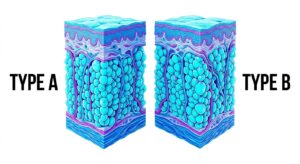
The infographics used in this article are created to support understanding and may differ from actual clinical results.
The information provided is a general medical guideline, and accurate diagnosis and treatment require an in-person evaluation by a qualified specialist.